
Across the U.S., manufacturing output is surging
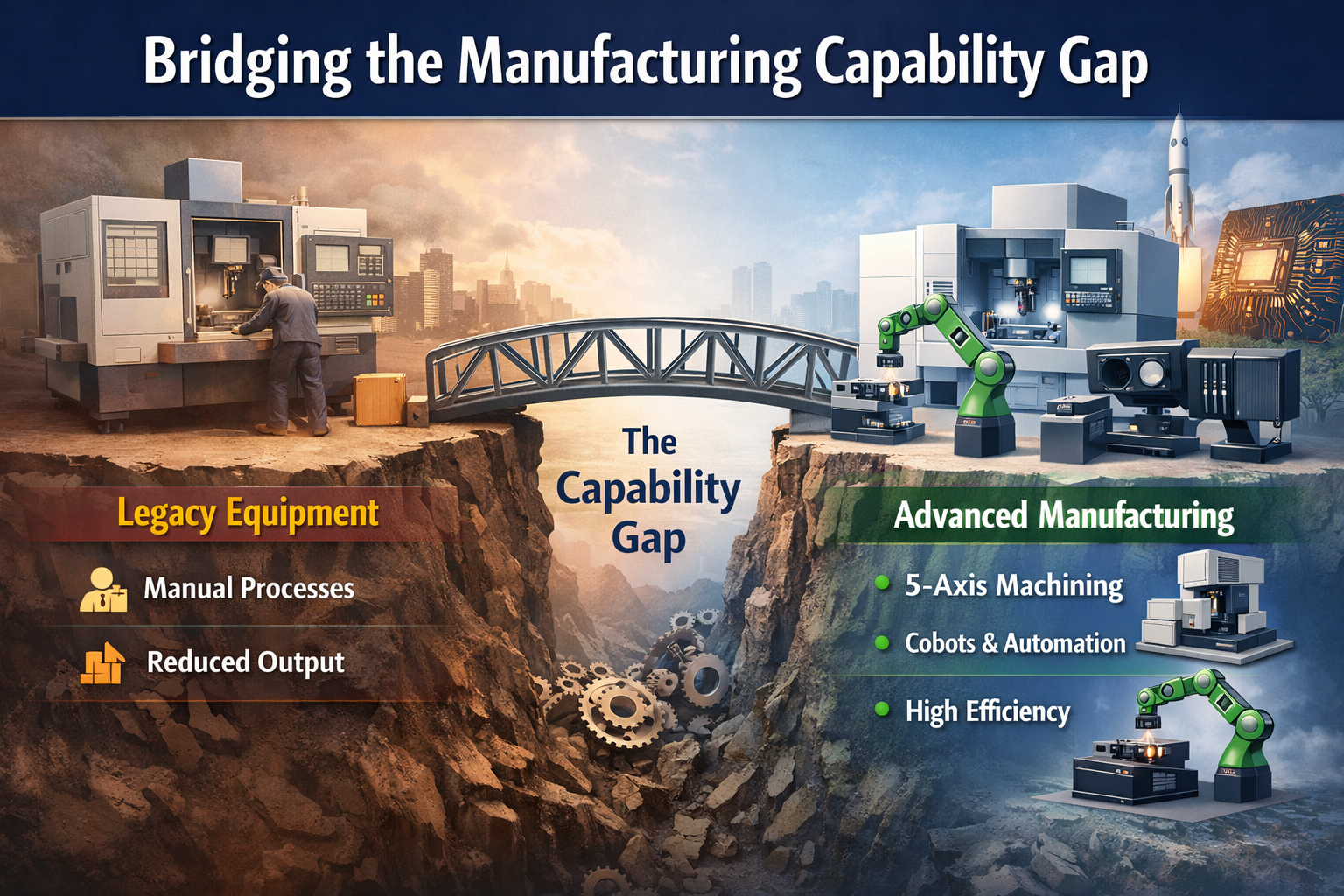
Bridging the Capability Gap in Modern Manufacturing. U.S. manufacturing is entering a new era of growth but not every shop is equipped to participate. Aerospace output rose 28% last year, semiconductor investments are accelerating in Arizona, Ohio, and Michigan, and AI‑driven equipment demand is reshaping supply chains. Yet many machine shops remain constrained by legacy workflows that were efficient decades ago but now limit throughput, precision, and profitability.
The challenge isn’t a lack of opportunity; it’s a lack of capability. Shops running 20‑ to 30‑year‑old 3‑axis machines face inherent inefficiencies: multiple setups, manual handling, longer cycle times, and higher scrap rates. Each additional touch adds cost and risk. When productivity depends on how many machines one operator can manage, efficiency plateaus and margins shrink. These economics make it difficult to pay modern wages or meet the lead‑time expectations of high‑tech sectors.
Modern equipment changes that equation
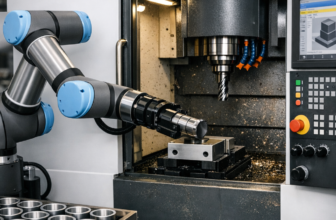
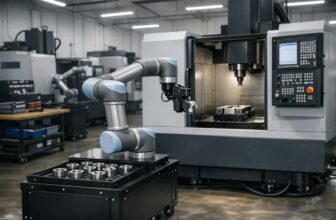
A single 5‑axis mill can consolidate operations that once required several machines, reducing setups, fixtures, and inspections. Cobots extend that efficiency further by automating repetitive tasks such as loading, unloading, and part inspection. Together, they create a scalable workflow where one operator oversees a process that grows with demand instead of being limited by it.
This shift isn’t about chasing the newest technology; it’s about aligning capability with today’s manufacturing realities. Aerospace, semiconductor, and defense suppliers now expect precision, repeatability, and speed that older equipment simply can’t deliver. Shops that modernize gain flexibility to meet tighter tolerances, shorter lead times, and higher wage expectations — all while improving consistency and throughput.
The workforce shortage adds another layer of urgency
The National Association of Manufacturers warns that thousands of skilled roles may go unfilled as high‑tech production expands. Automation and advanced machining aren’t replacements for people; they’re multipliers. Cobots and modern CNC systems allow skilled machinists to focus on programming, process optimization, and quality — the work that truly drives value. In this environment, capability becomes the bridge between limited labor and unlimited demand.
Data‑driven workflows are also reshaping how shops operate. Real‑time monitoring, predictive maintenance, and digital twins enable managers to see bottlenecks before they become downtime. When combined with automation, these tools transform manufacturing from reactive to proactive. The result is higher utilization, lower variation, and more predictable output — exactly what high‑tech customers require.
The economics of modernization are compelling
While upgrading equipment requires capital, the return on investment often arrives faster than expected. Reduced setups, shorter cycle times, and lower scrap rates translate directly into margin. In many cases, the breakeven point for a 5‑axis machine or cobot integration is under 18 months once efficiency gains are factored in. For shops competing in aerospace or semiconductor supply chains, that efficiency isn’t optional, it’s survival.
The next wave of manufacturing growth will belong to shops that bridge this capability gap. Those who invest in automation, 5‑axis machining, and data‑driven workflows will be positioned to capture the opportunities emerging from AI, aerospace, and semiconductor expansion. Those who don’t will find themselves competing in a market that’s moving faster than their equipment can keep up.
Modern capability isn’t a luxury anymore. It’s the foundation for sustainable growth, competitive wages, and long‑term viability in the new manufacturing economy.
As demand accelerates across aerospace, semiconductors, defense, and other high‑tech sectors, the shops that modernize now will be the ones positioned to grow. The capability gap is widening, but it’s also creating one of the biggest opportunities the industry has seen in decades. Customers are asking for higher precision, faster turnaround, and more predictable output — and they’re rewarding the suppliers who can deliver it consistently. Upgrading workflows isn’t just a technical decision; it’s a strategic one. The shops that invest in capability today will be the ones leading, scaling, and shaping the next generation of American manufacturing.